Google dot org blog - News from Googles Philanthropic Arm

FCC broadband plan to call for access to real-time energy info

(Cross-posted from Public Policy Blog)

Over the past six months we have been providing you with periodic updates and comments on the FCC's National Broadband Plan, which is scheduled for release in mid-March. Earlier today FCC energy and environment director Nick Sinai gave a sneak preview of one of the Plan's key components: how broadband will facilitate smarter energy usage.

He told an audience at the Clean-tech Investor Summit that the FCC will call on States and the Congress to give consumers and consumer-authorized third parties access to real-time energy information. This kind of information could have a huge financial and environmental impact. Studies show that access to real-time usage data results in energy savings of up to 15%. He talked about how, combined with other measures, this information could create a platform that could lead to new products and services to help consumers manage energy. Picture it: a smart phone apps store for home energy management.

Sinai singled out for praise technologies like "smart" electricity meters and recent efforts in California to include consumer data access policies as part of a statewide smart meter roll out. (Learn more by reading Google's comments.) While encouraged by state-led initiatives like this, Sinai said if state efforts don't work, the FCC could recommend that Congress consider national energy data accessibility legislation.

Permalink | Links to this post |

Staying connected in post-earthquake Haiti

(Cross-posted from the Official Google Blog)

With relief efforts underway, many displaced Haitians and their friends and families around the world are deeply concerned about the safety and whereabouts of loved ones. In response to the Haitian earthquake, a team of Googlers worked with the U.S. Department of State to create an online People Finder gadget so that people can submit information about missing persons and to search the database.


You'll find this gadget on our Haiti earthquake response website as well as on the State Department website. In order to prevent the proliferation of multiple missing persons databases (a big problem during Hurricane Katrina), we've made the People Finder gadget standards-based and easily embeddable on any website (see here for instructions). The gadget is currently available in English, French and Creole.

We're also helping families in the U.S. stay connected with their loved ones in Haiti by offering free calls to Haiti for the next two weeks via Google Voice. If you don't have a Google Voice account already, request an invitation at www.google.com/voice.

For anyone interested in viewing updated imagery in Google Earth, we've now included GeoEye's shots from Wednesday in the Historical Imagery feature. Now you can view the imagery without downloading the KML file and can use the time slider to easily compare the stark before-and-after images, such as those below. To help relief organizations, GeoEye has made professional-quality files of their recent satellite imagery of Haiti downloadable via our earthquake response website. We hope the imagery in this format will be valuable to GIS organizations and aid workers.


(Click to see full-size)

We have also made Haiti Map Maker data publicly available for download for non-commercial use and attribution. Data can be used by relief workers to do things such as create offline maps, combine data sets and run analysis, all of which we hope will help with their efforts on the ground. Please help improve Haiti maps with Google Map Maker.

News and user footage continues to roll into YouTube. Oxfam and the American Red Cross are even responding to donations by uploading videos that show viewers exactly where their contributions are making a difference.

Permalink | Links to this post |

Helping Haiti respond to the earthquake

(Cross-posted from Official Google Blog)

These recent satellite images of Port-au-Prince, Haiti before and after Tuesday's earthquake dramatically show the devastation caused by magnitude 7.0 trembler. Here are before-and-after screenshots of the National Palace and an area of Port-au-Prince:


Click to see full-size

In order to help the people of Haiti respond to this catastrophe, Google is donating $1 million to organizations on the ground that are rescuing those still trapped and providing clean water, food, medical care, shelter and support to those affected. We'd like to make it easy for anyone moved by the tragedy to respond as well, so we've included a link on our homepage to information, resources and ways you can help, including information on how to donate to organizations including: Direct Relief, Yele Haiti, Partners in Health, Red Cross, World Food Program, Mercy Corps, Save the Children, Lambi Fund, Doctors Without Borders, The International Rescue Committee.

You can also use the below buttons to donate to UNICEF or CARE.

Donate to CARE
$


Donate to UNICEF
$


In addition, Map Maker data has been made available to U.N. organizations and the team is working with the Map Your World Community to encourage Map Maker users with on the ground knowledge to help update the map of Haiti with disaster response data. We've received requests from relief organizations and our users to publish recent satellite imagery of the country. One of our imagery partners, GeoEye, has provided us with post-earthquake imagery from Haiti. You can check our Lat Long blog for further updates.

We've also reached out to the YouTube community for help. A Spotlight on the homepage and a ticker across the entire site drives traffic to videos from Oxfam and the American Red Cross, where you can make donations to relief efforts. We're also keeping a running playlist of the video footage coming out of Haiti on Citizentube; you can find a broad collection of citizen reports, news wire clips and personal stories of some of the victims.

Permalink | Links to this post |

Google Flu Trends in 121 U.S. cities

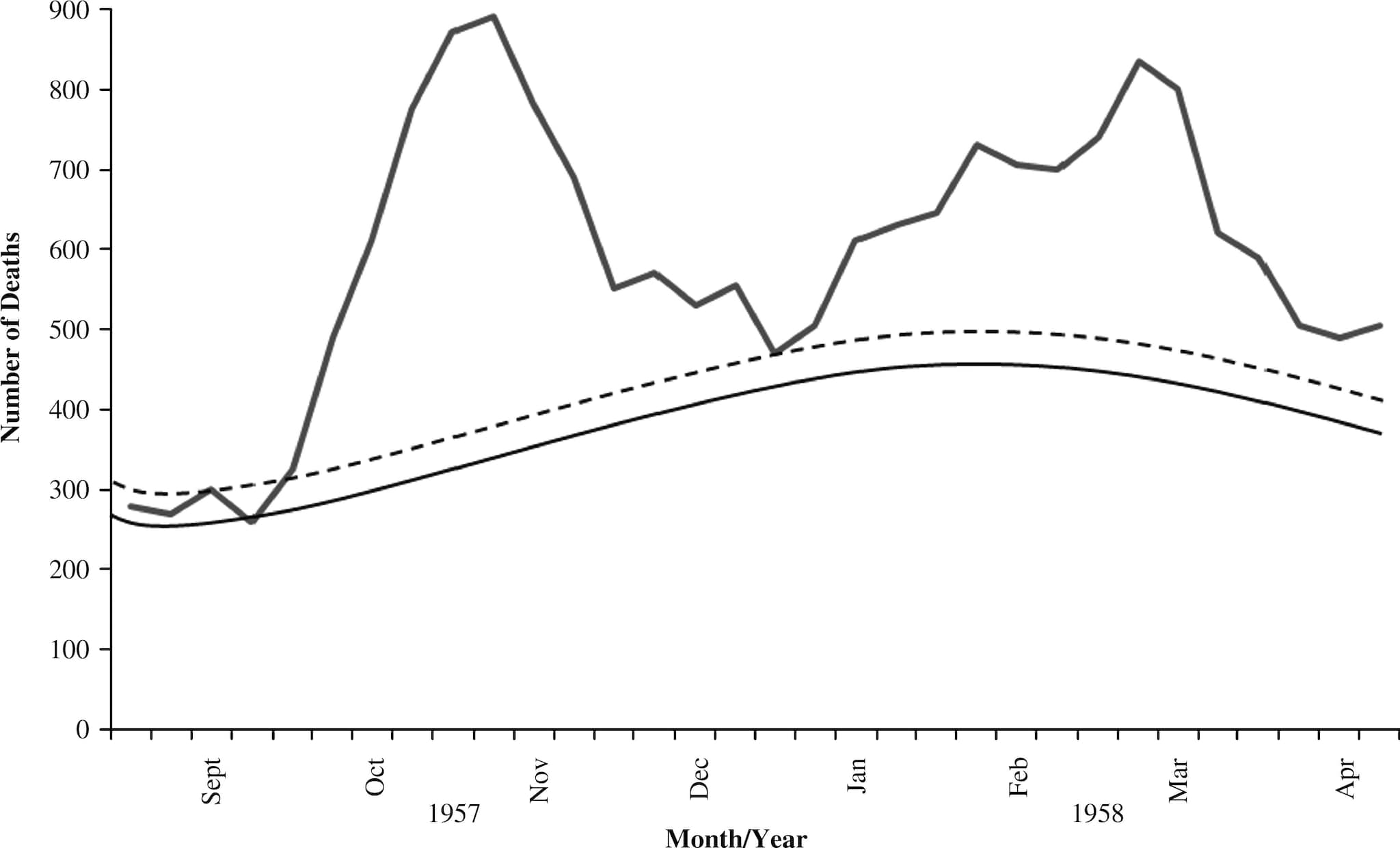
In contrast to the unusually early spike of flu activity we saw this October, Google Flu Trends is currently showing a low level of activity in the United States. Since the strain of influenza that is active (H1N1) is novel, no one knows exactly what will happen next. However, the CDC is warning that one possibility is a second spike of flu activity, which is what occured in 1957 when another novel strain of influenza spread in the United States.

We've been chatting with public health officials about new ways we can help people understand the spread of flu during this unusual time and today we're excited to bring city level flu estimates to 121 cities in the United States.

By tracking the popularity of certain Google search queries, we're able to estimate the level of flu in near real-time. Google Flu Trends is updated daily and may provide early detection of flu activity, since traditional flu surveillance systems often take days or weeks to collect and release data. These city level estimates are "experimental," meaning they haven't been validated against official data. However, the estimates are made in a similar manner to our U.S. national estimates, which have been validated. Check out our YouTube video for a quick introduction to this system.

We're pleased to be announcing this addition to Google Flu Trends during National Influenza Vaccination Week. If you're looking for a flu vaccine location near you, please visit the flu shot finder.

Permalink | Links to this post |